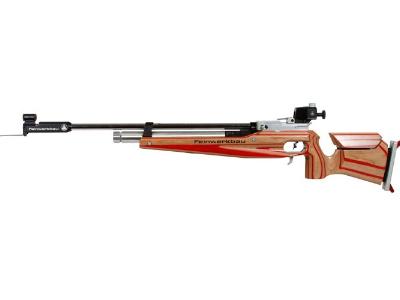
Air Rifle
Versatile air rifle built for target shooting, plinking, or small game – power, accuracy, and fun in every shot.
Did Lewis and Clark Use Air Rifles?
The famous expedition led by Meriwether Lewis and William Clark from 1804 to 1806 is often remembered for its groundbreaking exploration of the American West. One intriguing question that arises is, did Lewis and Clark use air rifles? This inquiry leads us into the fascinating world of early American firearms and their applications during this historic journey.
Understanding Air Rifles in the Early 19th Century
Air rifles, which operate using compressed air rather than gunpowder, were known to exist in Europe by the time of the Lewis and Clark expedition. These rifles offered several advantages:
- Quieter Operation: The lack of a loud report made them ideal for stealthy hunting.
- Reduced Smoke: Unlike traditional firearms, they did not produce smoke, allowing for better visibility after firing.
- Sustained Firing: With proper maintenance, air rifles could be reloaded quickly compared to muzzle-loading guns.
The Firearms Used by Lewis and Clark
While air rifles were available during this period, historical records indicate that Lewis and Clark primarily relied on traditional firearms such as flintlock muskets. Notable weapons included:
- Muskets: Standard issue for many soldiers at the time; effective but required gunpowder.
- Crosman Air Guns: Although not used by Lewis and Clark specifically, these types of guns became popular later due to their efficiency.
Lewis’s Interest in Innovative Weapons
Meriwether Lewis was known for his curiosity about new technologies. He documented various aspects of weaponry during his travels. However, there are no direct references or evidence suggesting that he or any members of his party utilized air rifles on their journey. Most accounts highlight their reliance on more conventional firearm options suited to their needs at the time.
The Role of Firearms in Exploration
The primary purpose of firearms during the expedition was multifaceted: they served as tools for hunting food as well as protection against potential threats from wildlife or hostile encounters with Indigenous peoples. The need for reliability in these situations likely outweighed any advantages an air rifle might have provided given its lesser familiarity among American frontiersmen.
Cultural Context and Advancements
The cultural context surrounding weaponry during this era also played a significant role. While European explorers may have experimented with different types of firearms including air-powered models, American frontiersmen leaned towards proven designs that had established reliability through years of use in various conditions.
Conclusion: A Lack of Evidence
No substantial evidence supports the claim that Lewis and Clark used air rifles. Their choice predominantly favored flintlock muskets which aligned with contemporary practices among explorers. Understanding this aspect sheds light on both technological choices made during early American exploration as well as broader historical contexts regarding weapon usage at that time.
CONTACT US YOUTUBE